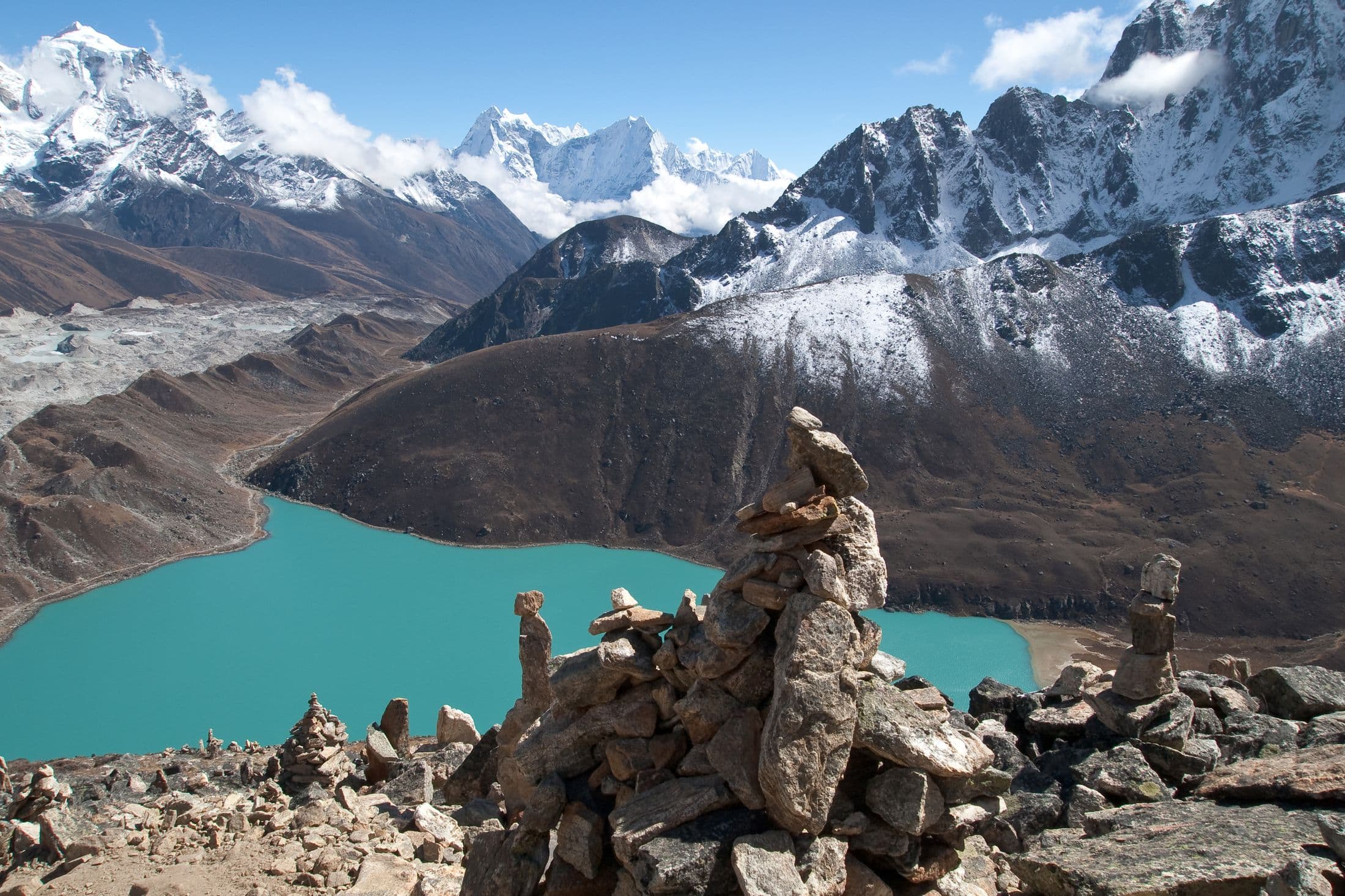
Green Everest
One Summit. Ten Trees.
For every climber who reaches the summit of Mount Everest in our care, we fund the planting of ten native trees through a community reforestation partner in the hill districts below the Khumbu.
Why we tied this to the summit
A summit is the single highest-stakes moment our work touches — years of preparation, weeks on the mountain, and a narrow weather window that either opens or doesn't. We wanted our environmental commitment to sit at that same point of significance rather than being folded quietly into a standard booking fee. Ten trees for every summit is a deliberate way of saying that reaching the top of the world should leave something growing at the bottom of it, not just a flag in a photograph and a receding footprint on the ice.
There's a practical reason too, not just a symbolic one. Everest's upper mountain — the route above Base Camp, through the Icefall and the Death Zone — has spent seventy years absorbing the traffic of expeditions: fixed rope, spent oxygen canisters, abandoned tents, human waste that doesn't decompose in the cold and thin air. Nepal's government and independent cleanup expeditions have hauled tonnes of this waste back down over the past decade, and the mountain still isn't clear of it. We can't undo that history, and we're not claiming this program does. What we can do is make sure that every summit we support pays something back into the country the mountain sits in, in a place where a tree can actually grow.
Why trees, and why lower down
The high Khumbu itself is largely above the tree line and protected as national park — Sagarmatha National Park's upper reaches sit well past where forest can grow at all, Everest's summit included. Reforestation happens lower, in the hill districts climbers and trekkers fly or drive through on the way in, where forest cover has been under real pressure from fuelwood demand and land clearing for generations. Native species, planted with a local partner who also maintains the plots afterward, do more good there than a symbolic planting near the mountain itself ever could.
Nepal's mid-hill districts — the terraced, populated country between the Kathmandu Valley and the high Khumbu — have faced this kind of deforestation pressure from fuelwood collection, fodder gathering and agricultural expansion for decades, a pattern documented across much of the mid-hill Himalaya since the mid-20th century. Community forestry programs across Nepal, in which local user groups manage and protect specific forest plots rather than the state doing it top-down, have been credited with measurably slowing and in many districts reversing that decline since the 1990s. Our reforestation partner works inside that same, already-proven model rather than inventing a new one.
What ten trees actually costs the mountain, and gives back
An Everest summit push burns resources at every stage — bottled oxygen manufactured and flown in, fuel burned for cooking and melting snow at every camp, the carbon cost of the flights that bring climbers from every continent to Kathmandu in the first place. None of that is offset by planting trees, and we won't pretend it is; a handful of saplings doesn't cancel out an expedition's footprint on a ledger. What ten trees does do, reliably, or as reliably as a maintained community forestry plot can be: add measurable, native forest cover to hillsides that have been losing it, in partnership with the people who actually live there and who benefit from that cover directly — in soil retention, fuelwood, and shade — long after any climber has gone home.
That's the honest scope of the commitment: not an offset, not an absolution, but a fixed, real, per-summit contribution to a specific, ongoing, locally-run program — the same one described on Trees Planted and Our Green Promise.
How the commitment works
This is a per-summit commitment. It applies to climbers who reach the top of Everest under our guidance or in partnership with us — not a blanket claim made across every trek or enquiry we handle, and not retroactive to summits we had no part in. See Trees Planted for how we report on it, and Our Green Promise for what we've committed to beyond this one program.
On This Topic
Explore One Summit. Ten Trees.
Trees Planted
We're not going to put an unverified running counter on this page. Here's how the program is actually tracked instead.
Read more →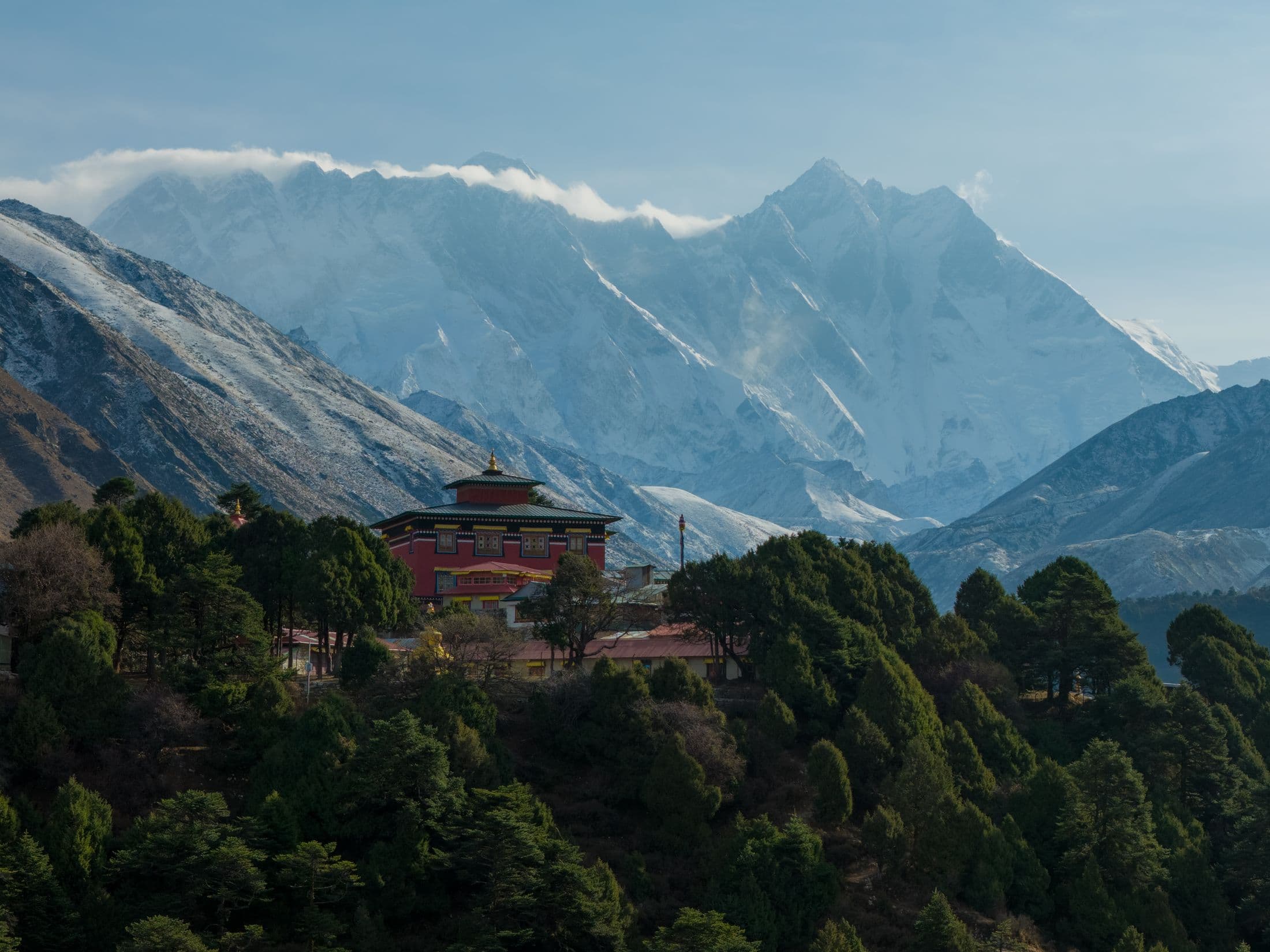
Planting Stories
This page is reserved for real stories from our reforestation partner and the communities involved — not written yet, because they haven't happened yet.
Read more →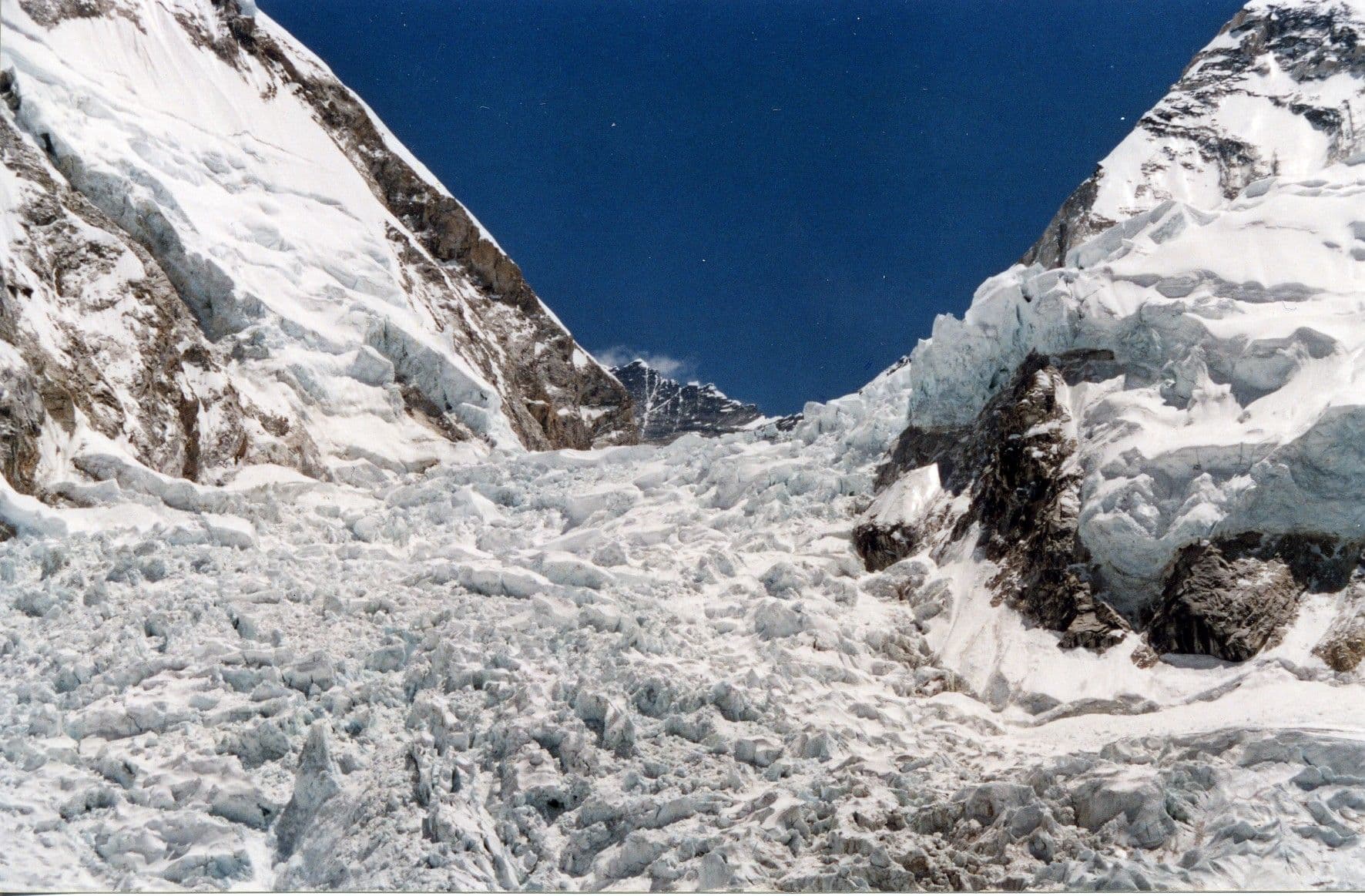
Our Green Promise
Reforestation is one part of it. On the trail itself, our commitment is simpler: leave every campsite, teahouse and viewpoint the way we found it.
Read more →Our Purpose
We're a Nepali company operating in Nepali mountains, guided by Nepali staff. What we do off the trail matters as much to us as what happens on it.
Read more →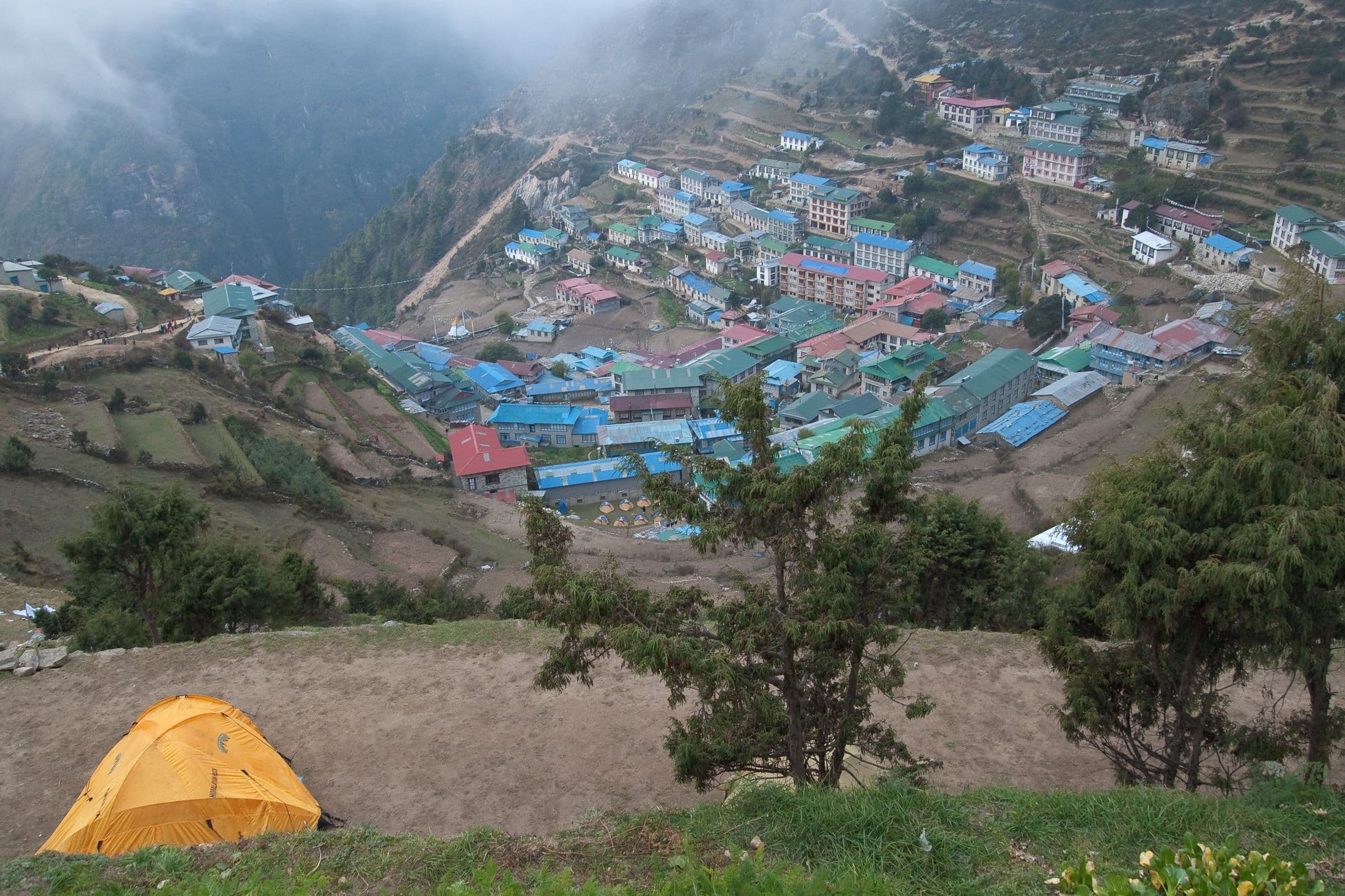
Community
Every guide and porter on our trips is Nepali, most from the Khumbu or Solukhumbu districts the treks pass through — this is local employment, not outsourced labor.
Read more →Giving Back
Trekking tourism has funded a lot of what exists in the Khumbu today — schools, clinics, trail maintenance. We see continuing that as part of running a trekking company here, not a separate charity project.
Read more →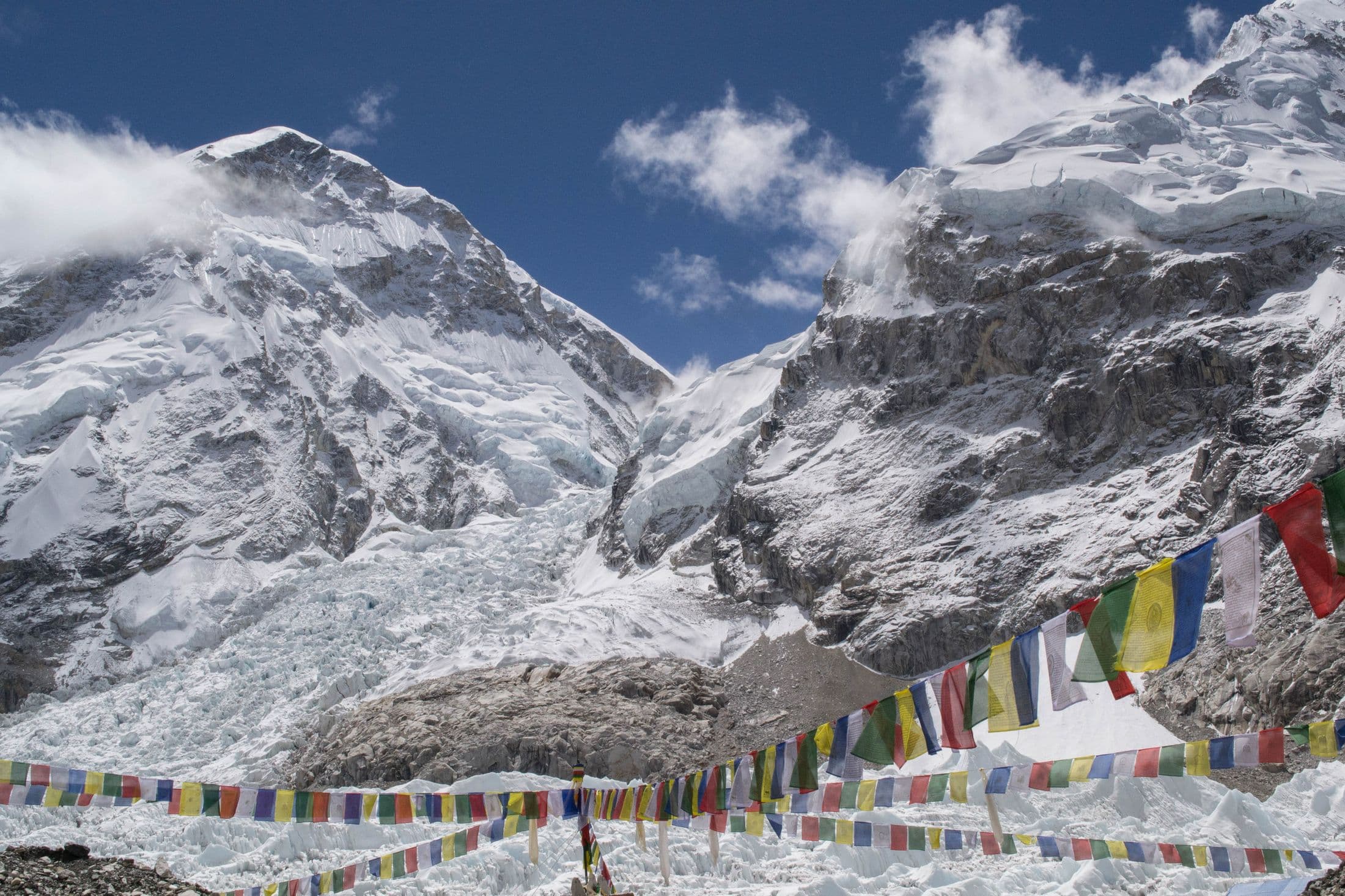
Our Impact
A small operator's numbers, stated plainly rather than inflated.
Read more →