Trekking Guide
Sagarmatha National Park: Everest's Protected Wilderness
Every standard Everest Base Camp itinerary passes entirely through a single UNESCO World Heritage Site — here's what that status actually protects.
A park built around the world's highest peak
Sagarmatha National Park was established by Nepal in 1976 and covers 1,148 square kilometers of the Khumbu region, including Everest itself (called Sagarmatha in Nepali) and neighboring peaks Lhotse, Nuptse and Ama Dablam. It was inscribed as a UNESCO World Heritage Site in 1979 in recognition of its exceptional natural beauty and the fact that it's one of the few protected areas on Earth centered on the world's highest terrain.
Terrain and ecology
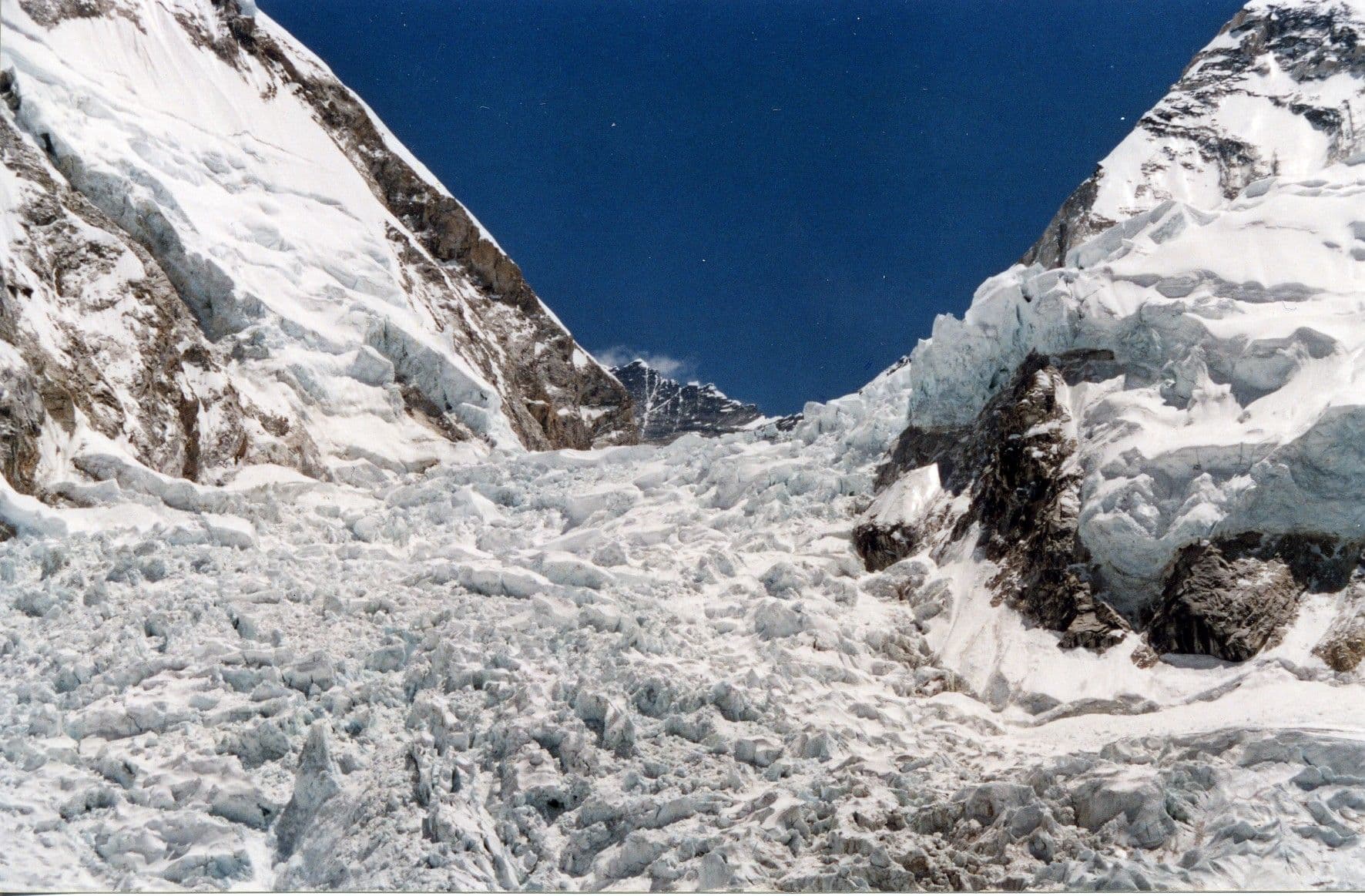
The park's elevation ranges from around 2,845m at its lowest entrance point near Monjo up to Everest's 8,849m summit, spanning several distinct ecological zones as altitude increases: forests of pine, fir and birch in the lower valleys give way to rhododendron and juniper scrub, then alpine meadow, and finally permanent snow and ice above roughly 5,500m. Because the standard Everest Base Camp trek runs from about 2,800m to 5,545m, a single trek passes through nearly this entire ecological range in under two weeks.
Wildlife
The park is home to the Himalayan tahr, musk deer, and pika at various altitudes, and — much more rarely sighted by trekkers — the snow leopard and red panda, both of which are present but elusive. Birdlife includes the Himalayan monal, Nepal's national bird, and the lammergeier (bearded vulture), often visible soaring above the trail at altitude. Yaks, the domesticated animal most trekkers actually see daily, are not wild but are integral to the park's working landscape, used for cargo transport on trails too high or narrow for other pack animals.
Ready to see Everest for yourself?
Tell us your dates and fitness level — we'll reply with a route recommendation within two business days.