Stories
Travel Journal
Practical, specific trekking advice — the kind of thing you'd want to know before you book, not after.
Altitude sickness: what actually matters
Acute Mountain Sickness is a function of ascent rate, not fitness — a very fit trekker who climbs too fast is at just as much risk as an unfit one. The two things that reduce risk most are itineraries that respect the standard guideline of no more than 300–500m of net sleeping-altitude gain per day above 3,000m, and taking symptoms seriously enough to stop ascending — or descend — rather than pushing through a headache. Our guides carry pulse oximeters and check the whole group daily above Namche.
Best trekking seasons
Late September through November and March through May are the two windows with the most stable weather and clearest mountain views — outside them, the monsoon (June–August) brings cloud and leech-heavy lower trails, and winter (December–February) brings serious cold and a higher chance of flight delays into Lukla.
What to pack, briefly
Layering matters more than any single expensive item: a good base layer, insulated mid-layer and a proper down jacket for evenings above 4,000m cover most of what the temperature swing actually demands. Broken-in trekking boots, a 0°C-or-warmer sleeping bag, and a headlamp for pre-dawn starts round out what most trekkers actually use daily — see your pre-departure kit list for the full detail once you've booked.
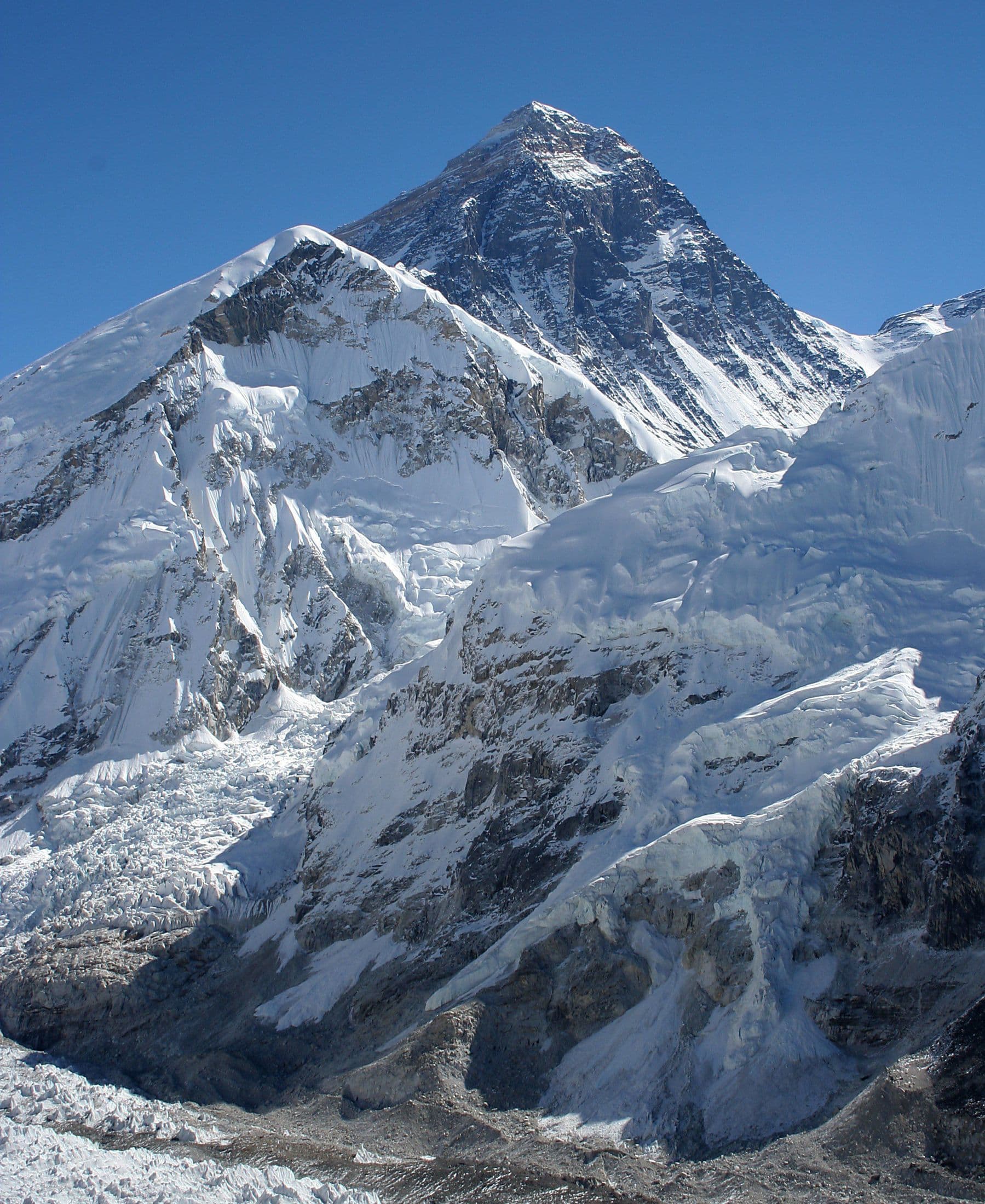
Ready to see Everest for yourself?
Tell us your dates and fitness level — we'll reply with a route recommendation within two business days.